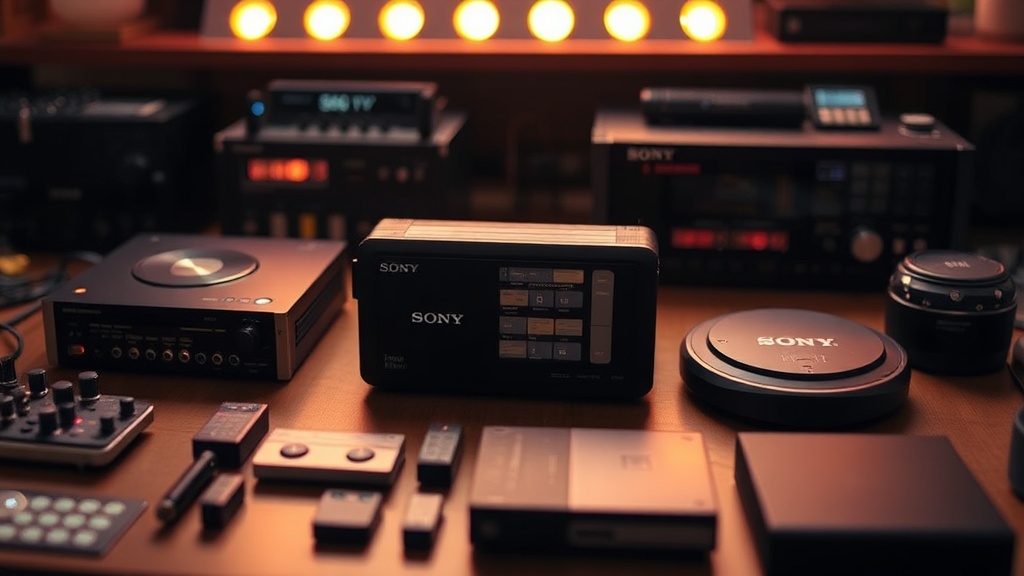
Identifying Authentic Sony Walkman Series Components

In 1979, Sony released the first TPS-L2, a device that didn't just change how we listened to music; it fundamentally altered the social fabric of public spaces. Today, the market is flooded with high-quality replicas and even counterfeit-looking components that can trick even a seasoned eye. Understanding the difference between a genuine vintage Sony part and a modern imitation isn't just about being a purist—it's about protecting your investment and ensuring your playback quality stays true to the original engineering. This guide breaks down the physical and technical markers you need to look for when sourcing replacement parts or verifying a device's authenticity.
How can I tell if a Walkman part is original?
The first thing you'll notice when inspecting a genuine Sony component is the weight and the texture. Sony used specific-grade plastics and high-quality metal alloys that feel different from the lightweight, brittle plastics found in modern knock-offs. If you're looking at a replacement battery door or a volume wheel, check the weight. Genuine parts often have a subtle heft to them. Furthermore, look closely at the lettering. Authentic Sony-branded parts usually feature crisp, slightly recessed, or high-contrast printing. If the text looks blurry, smudged, or is printed on top of the surface in a way that looks easily erasable, you're likely looking at a counterfeit.
Another way to verify parts is by checking the internal circuit board markings. If you're comfortable opening a unit, look for the specific serial number sequences and the Sony logo etched into the PCB (Printed Circuit Board). Genuine Sony manufacturing processes were incredibly precise; you'll rarely see messy solder joints or mismatched components on an original board. If the internal layout looks disorganized or uses much newer-looking electrolytic capacitors, the device might have been heavily repaired with non-original parts. You can find detailed technical specifications for older models through sites like the Sony Support database to cross-reference model numbers.
Why does component quality affect audio playback?
It's not just about aesthetics. The quality of the internal components—specifically the motors, capacitors, and rubber belts—directly dictates how your music sounds. A non-genuine rubber belt might be slightly thicker or more elastic than the original, which changes the tension on the tape capstan. This leads to inconsistent playback speeds, often resulting in that dreaded wow and flutter effect. Even a tiny discrepancy in belt thickness can cause the pitch of a song to drift, ruining the experience of a well-produced studio track.
The capacitors are equally vital. In many vintage Walkmans, the electrolytic capacitors eventually leak or dry out. While you might find modern replacements that work, they might not match the original impedance or electrical characteristics of the 1980s-era parts. This can change the frequency response of the device. If you want that warm, analog sound that the original engineers intended, you have to be careful with what you swap in. For collectors interested in the engineering side, the audio engineering archives often host discussions on the specific tolerances required for vintage playback equipment.
Common Red Flags in the Secondary Market
When browsing auction sites, keep an eye out for these common issues:
- Mismatching Screws: Genuine Sony screws usually have a consistent finish. If the screws look too shiny or have a different thread pattern, the unit has likely been opened and repaired with cheap parts.
- Non-Standard Battery Terminals: If the battery compartment looks slightly different from the official diagrams, be wary.
- Generic Replacement Shells: Some sellers use high-quality plastic shells that look new, but they lack the internal structural-reinforcement points of the original design.
A high-quality component should feel like a piece of precision machinery. If a part feels like a toy, it probably is. Always ask the seller for high-resolution photos of the internal components if you're buying a "refurbished" unit. Don't assume a clean exterior means a clean interior. A polished shell can hide a mess of modern, low-quality electronics inside.
What are the signs of a refurbished unit?
A truly refurbished unit should have a consistent aesthetic. If the casing looks brand new but the buttons have a slightly different "click" or tactile feedback, the internal switches might have been replaced with generic versions. Original Sony switches have a very specific, dampened resistance. Modern replacements are often much more "clicky" and loud, which can feel jarring on a high-end model like the WM-D6 Pro.
Check the headphone jack specifically. The jack is a common failure point, but it's also a place where cheap repairs happen. A genuine Sony jack will have a smooth, consistent-pressure connection. If the connection feels loose or the audio cuts out when the cable moves even a millimeter, it's a sign of a low-quality replacement part or poor-quality solder work. This is a common issue in the "prosumer" grade models where the mechanical components are under more stress.
If you are looking into high-end collectors' items, I highly recommend looking at documentation from the MoMA archives or other design-focused institutions that often feature the history of industrial design to understand the original intent behind these devices. Understanding the original design philosophy makes it much easier to spot when a modern part has compromised that intent. Collectors should always prioritize authenticity over a "shiny new" look, as the history and the specific sound profile are what make these pieces valuable in the first place.